Diet and Exercise: Supporting Healthy Ageing and Frailty Management
As populations continue to age, maintaining health, mobility and independence is becoming an increasingly important focus. While ageing is a natural process, the onset of frailty is not inevitable.
Research suggests that targeted nutrition and physical activity strategies can help support muscle health and reduce the progression of frailty.
Understanding the role of diet and exercise is key to supporting healthy ageing and improving quality of life in later years.
What Is Frailty?
Frailty is a clinical condition characterised by reduced physical function and increased vulnerability to health challenges.
As people age, they move along a spectrum ranging from robust health to increasing levels of frailty and dependency. This progression is often linked to the gradual loss of muscle mass and strength that occurs with ageing.
When muscle health declines, everyday activities can become more difficult, increasing the risk of falls, illness and loss of independence. Maintaining muscle mass is therefore a critical part of healthy ageing.
Why Muscle Health Matters
Age-related muscle loss is a natural process, but it can have significant consequences if left unaddressed.
Muscle plays an essential role in strength, mobility and overall physical function. As muscle mass decreases, individuals may experience reduced mobility, lower physical performance and greater susceptibility to adverse health outcomes.
For this reason, preserving muscle health has becomes a key focus in strategies designed to prevent or delay frailty.
The Role of Protein and Exercise
Research has shown that physical exercise, particularly resistance training, can help slow or even reverse aspects of frailty. When combined with adequate protein intake, the benefits may be even greater.
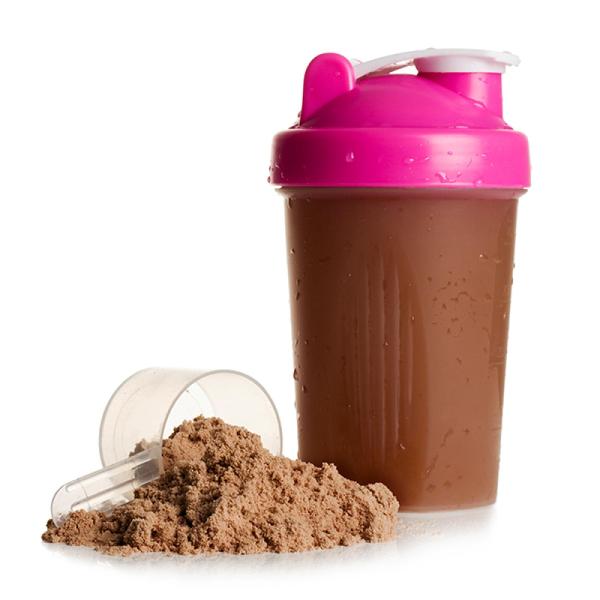
Protein provide the essential amino acids needed to support muscle protein synthesis, the process responsible for building and maintaining muscle tissue.
However, older adults may require higher protein intakes than younger individuals to achieve the same muscle-building response.
Expert recommendations suggest that adults over the age of 65 may benefit from protein intakes above traditional adult guidelines, particularly when combined with regular physical activity.
Insights from the DEFRAIL Study
The DEFRAIL (Diet and Exercise in frailty) study explores the impact of combining protein supplementation with a structured exercise programme in older adults living with frailty.
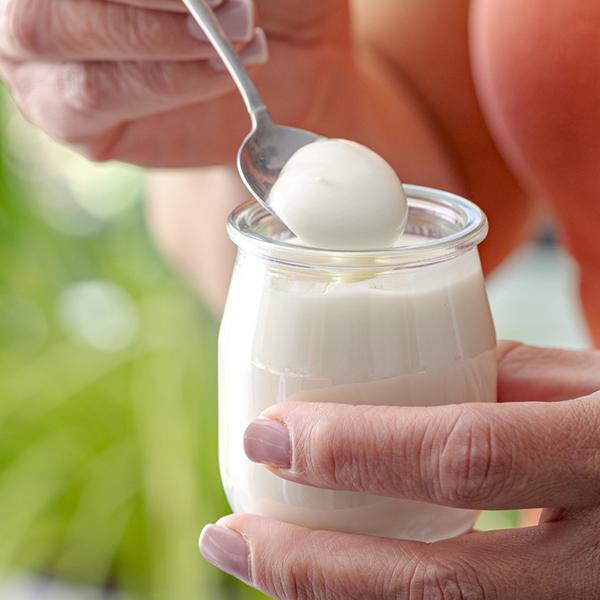
Participants took part in regular groups exercise sessions focused on resistance training while also consuming a protein-fortified milk product each day.
Following the intervention, researchers observed improvements in measures of frailty, physical performance and strength.
Key finding included improvements in:
- Overall frailty scores
- Functional mobility
- Lower-body strength and endurance
This study also reported positive feedback from participants, highlighting the value of community-based approaches that combine nutrition, exercise and social engagement.
Looking Ahead
As life expectancy continues to increase, there is growing interest in strategies that help people remain active, independent and healthy for longer.
Nutrition and exercise interventions that support muscle health represent an important opportunity to address frailty and improve quality of life in older adults.
By focusing on muscle maintenance, strength and physical function, it may be possible to help more people age well and maintain their independence.
Key Insights from Our Research
Our full technical paper explores frailty management in greater detail, including:
- The relationship between ageing, muscle loss and frailty
- Why protein is important for maintaining muscle health
- The role of resistance exercise in healthy ageing
- Findings from the DEFRAIL study
- Opportunities for nutrition-led approaches to support older adults
To learn more about the role of diet and exercise in frailty management, download the full technical paper below.